

What kind of material is polyethylene film? How is a polyethylene film waterproofing layer installed?
Leave a message
Manufacturer of 0.3mm thick polyethylene (PE) film; selection of materials for blown polyethylene film (e.g., 0.4mm HDPE film).
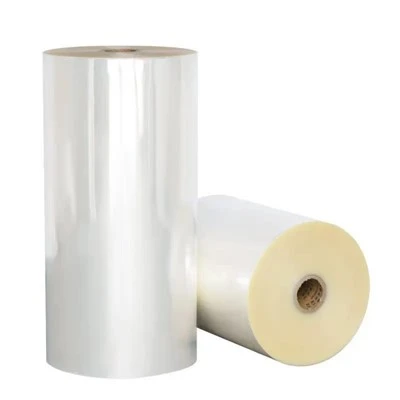
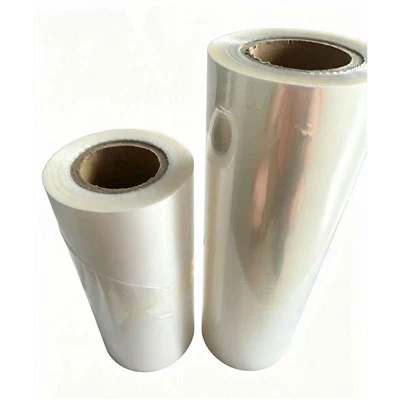
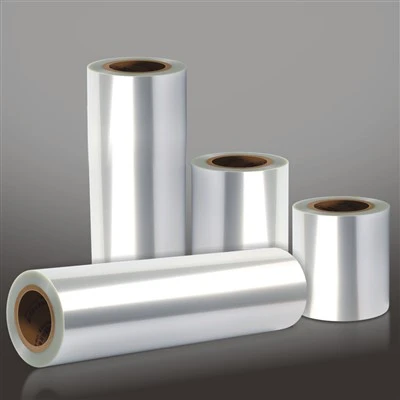
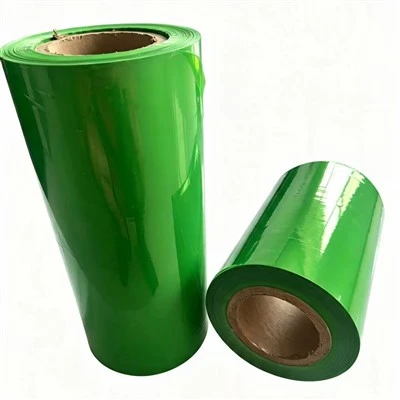
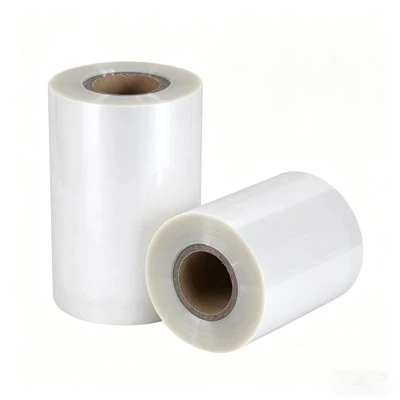
The 0.4mm polyethylene film is a film material made from polyethylene (PE) with a thickness of 0.4mm. Geomembranes of this type are also known as high-density polyethylene (HDPE) films, HDPE geomembranes, or HDPE impermeable membranes.
1. The selected raw materials should be film-grade polyethylene resin pellets containing an appropriate amount of slip agent to ensure good film opening properties. PE film refers to film produced from PE pellets; it is characterized by moisture resistance and low water vapor permeability. Depending on the manufacturing method and control parameters, polyethylene (PE) films can be produced in low-density, medium-density, or high-density varieties.
2. The melt index (MI) of the resin pellets should not be too high. An excessively high MI results in low melt viscosity, a narrow processing window, and difficult-to-control processing conditions; it also leads to poor film-forming properties, making the material difficult to process into film. Furthermore, an excessively high MI often corresponds to a narrow relative molecular weight distribution, resulting in lower film strength. Therefore, resin raw materials with a lower MI and a broader relative molecular weight distribution should be selected; this ensures both the required film performance and favorable processing characteristics. Generally, polyethylene raw materials with an MI in the range of 2–6 g/10 min are selected for producing 0.3mm blown polyethylene film.
Polyethylene (PE) film is also known as polyethylene plastic film. This product is also known as polyethylene separation film, polyethylene waterproof membrane, polyethylene impermeable membrane, polyethylene moisture-proof film, or simply PE separation/moisture-proof/waterproof film.
Product Thickness: Available in various thicknesses such as 0.15mm, 0.2mm, 0.3mm, 0.4mm, 0.5mm, 0.6mm, etc. (specifically featuring the 0.3mm PE plastic film).
Product Dimensions: Standard size is 6 meters wide by 50 meters long (per roll).
Product Introduction (0.3mm Polyethylene Film):
PE films are primarily categorized into High-Density Polyethylene (HDPE) and Low-Density Polyethylene (LDPE). Manufactured using virgin polyethylene resin, the composition consists of approximately 97.5% high-density polyethylene and about 2.5% additives-including carbon black, anti-aging agents, antioxidants, UV absorbers, and stabilizers. It is produced using state-of-the-art automated equipment and three-layer co-extrusion technology.
Performance Characteristics (0.3mm Polyethylene Film):
1. Optimal Adhesion: Easy to apply and remove;
2. Stable Peel Strength: Minimal change over time (i.e., the increase in peel strength is kept to a minimum);
3. Good Weather Resistance: Service life of six months to one year under direct sunlight exposure;
4. Long Shelf Life: Quality remains unchanged after more than one year of warehouse storage;
5. Non-polluting and Non-corrosive: The adhesive is chemically inert and does not react with the surface of the material to which it is applied;
6. Mechanical Properties: Meets user requirements for tensile strength, elastic modulus, elongation, etc. 0.3mm Polyethylene Film; Shandong Manufacturer of 0.3mm Thick PE Film
Functions and Applications:
As a new type of material, high-density polyethylene (HDPE) film offers excellent impermeability, corrosion resistance, and chemical stability. It can be processed to meet specific engineering requirements and is widely used for seepage control in water conservancy projects-such as levees, dams, and reservoirs. Additionally, it serves as a material for isolation, seepage control, corrosion prevention, leak prevention, and moisture protection in applications including canals, storage ponds, sewage tanks, swimming pools, building construction, underground structures, landfills, and environmental engineering projects. The technology has been widely applied since the 1930s, with the use of HDPE film gradually expanding across various engineering projects starting in the 1980s.
Common Specifications:
Thickness: 0.15mm–0.5mm; Width: 6m–10m; Roll Length: 50m (300m² or 400m² per roll).