

Introduction To Cast Polypropylene (CPP) Film
Leave a message
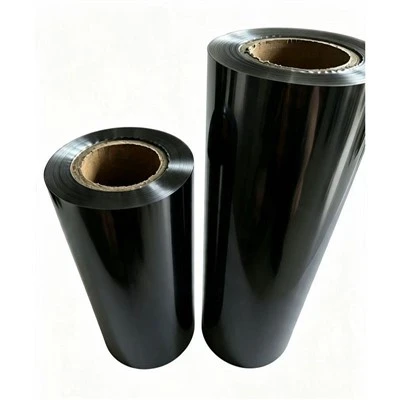
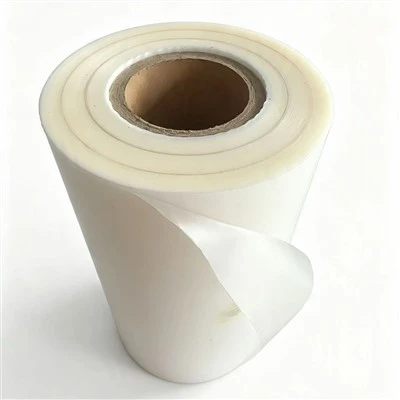
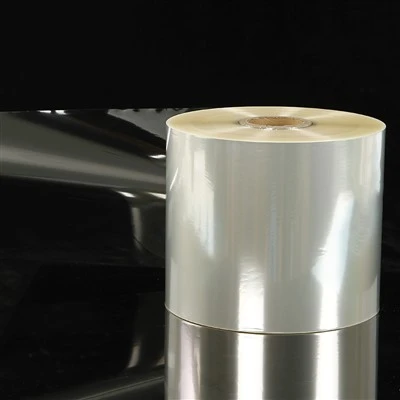
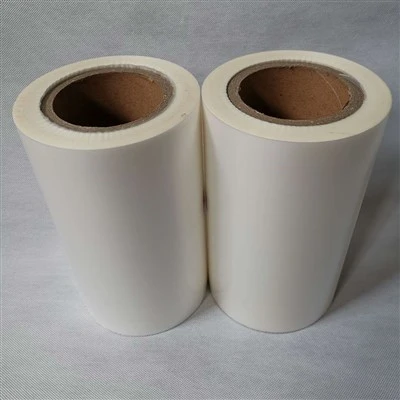
Cast polypropylene (CPP) film is an unstretched polypropylene film produced via a melt-casting and rapid-quenching process. Typically manufactured by extruding resin through a T-die followed by rapid cooling on a chill roll, the film is characterized by uniform thickness, high transparency, and excellent heat-sealing properties. Based on application, these films are categorized into general-purpose, metallizing-grade, and retort-grade types; notably, the retort-grade variety withstands high-temperature sterilization at 121°C and is widely used for meat packaging and as a substrate for composite films.
Performance is optimized during production using multi-layer co-extrusion casting technology, requiring precise control over parameters such as temperature (230–250°C), air knife angle, and winding tension. The domestic industry is accelerating technological upgrades, developing specialized resins-such as low-temperature heat-sealable and electrolyte-resistant grades-to replace imports. With an annual production capacity of approximately 150,000 to 170,000 tons, the sector serves markets including food packaging, soft-pack batteries, and automotive seat covers. Products must comply with the GB/T 27740-2011 standard, with testing covering tensile strength, heat-sealing performance, and hygiene indicators.