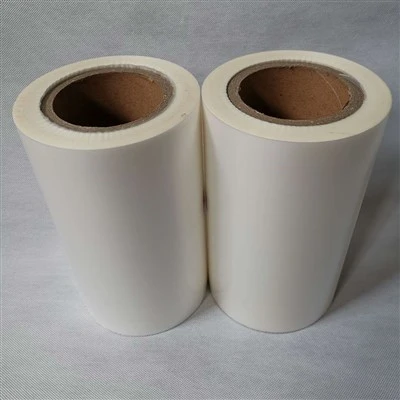


Is Polyethylene Film A Plastic?
Leave a message
A Star Member of the Plastics Family
Polyethylene film is certainly a plastic product! It is the "all-rounder" of the plastics world-supermarket plastic bags, cling film, and bubble mailers are all its handiwork. This polymer material, formed by the polymerization of ethylene monomers, dominates a vast share of the packaging industry thanks to three key attributes: lightness, flexibility, and water resistance. Interestingly, depending on its density, it splits into two "twins" with distinct personalities: HDPE (rigid) and LDPE (soft).
An Unseen Guardian in Daily Life
You likely come into contact with polyethylene film at least ten times a day: the bag for your breakfast bread, the seal on your takeout lunch box, the lining inside a delivery package... Despite being less than one-tenth the thickness of a human hair, this material can withstand a tensile force tens of thousands of times its own weight. Even more remarkably, by adding various additives, it can transform into anti-fog cling film to extend the shelf life of produce or become a silver light-blocking film to protect pharmaceuticals from light damage.
Transformation Challenges in the Era of Environmental Awareness
As environmental awareness grows, traditional polyethylene film is undergoing an upgrade. Bio-based polyethylene is made from plant materials like sugarcane, helping to reduce carbon emissions; biodegradable versions incorporate substances like starch, allowing them to break down under specific conditions. However, a crucial point to remember is that "biodegradable" does not mean "safe to litter." Most still require professional composting conditions to fully decompose; casual disposal can actually lead to microplastic pollution.