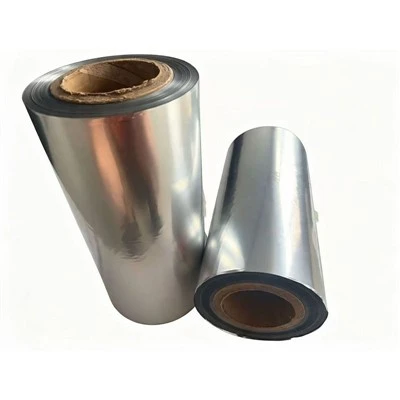


Test Methods For Cast Polypropylene Film
Leave a message
Systematic and scientific testing of CPP film is a critical step in ensuring the quality of downstream products, meeting production process requirements, guaranteeing the safety of contents, and extending shelf life.
Key testing parameters include physical-mechanical properties (such as tensile strength, elongation at break, elastic modulus, tear strength, coefficient of friction, and heat shrinkage), optical properties (such as light transmission and haze), thermal properties (such as heat seal strength and heat seal temperature range), surface properties (such as wetting tension), and hygiene/safety characteristics (such as evaporation residue, potassium permanganate consumption, and heavy metal content). Depending on the specific application, barrier property tests-such as water vapor permeability and oxygen transmission rate-may also be included.
Testing is primarily conducted in accordance with the national standard GB/T 27740-2011 "Cast Polypropylene (CPP) Film" and a series of methodological standards such as GB/T 1040.3, GB/T 2410, and GB/T 10006. Commonly used international standards include ISO 11863, ASTM D882, and ASTM D1003. For food-contact materials, compliance with relevant hygiene standards, such as GB 4806.7, is also mandatory. The testing process begins with sample preparation, requiring conditioning in a standard environment (23 ± 2°C, 50 ± 10% RH) for at least 4 hours.
Testing instruments and equipment include an electronic universal testing machine (for measuring mechanical properties like tensile strength and tear strength), a coefficient of friction tester, a haze and light transmission meter, and a heat seal tester paired with a tensile testing machine. Tensile test specimens for CPP film are prepared as strips measuring 150 mm in length and 15 mm in width, with a gauge length of 50 mm; the test speed is set to (500 ± 50) mm/min, and tests are performed in both the machine direction (MD) and the transverse direction (TD). Evaluating test results requires comparing measured data against product standards, technical specifications, or target values; for instance, mechanical properties must meet minimum limits, heat-seal strength must satisfy downstream requirements, the coefficient of friction must fall within a controlled range (e.g., 0.2–0.4), and hygiene and safety parameters must strictly comply with the limits prescribed by mandatory national standards.