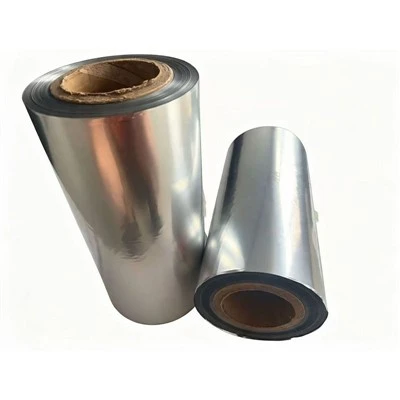


Production Process Of Cast Polypropylene Film
Leave a message
Process Characteristics
The CPP process typically employs the T-die method, characterized by the following:
(1) The flat-film method eliminates the film-blowing stage required in the tubular film method, making startup easier and reducing waste;
(2) During production via the flat-film method, PP molecules align in an orderly fashion, enhancing the film's transparency, gloss, and thickness uniformity-qualities ideal for high-end packaging;
(3) The flat die features a special flow-distribution channel integrated with the die gap, allowing for convenient adjustment.
Key Points of the CPP Film Production Process
The T-die is a critical piece of production equipment. Its design must ensure uniform material flow across the entire width of the die lips, eliminate stagnant zones (dead spots) within the internal flow channels, and maintain a uniform material temperature; various factors, including the material's rheological behavior, must be considered. Precision-machined dies are required, with the "coat-hanger" manifold design being the most common type. The cooling roll surface requires precision finishing (with a roughness not exceeding 0.15 mm) and stable rotational speed to prevent longitudinal thickness fluctuations. Beta-ray or infrared thickness gauges are used to monitor film thickness and ensure compliance with desired tolerances.
Producing high-quality CPP film requires not only excellent raw materials but also precise control over processing conditions.
Temperature has the most significant impact on film properties. As resin temperature rises, the film's machine-direction (MD) tensile strength and transparency increase while haze gradually decreases; however, the transverse-direction (TD) tensile strength declines. The optimal temperature range is 230–250°C. An air knife positioned at the cooling roll creates a thin air layer between the film and the roll surface, ensuring uniform cooling and enabling high-speed production. Proper adjustment of the air knife is crucial; excessive airflow or incorrect angles can lead to unstable thickness or poor contact with the roll, resulting in wrinkles or surface patterns that compromise visual quality.
Increasing the cooling roll temperature enhances film stiffness but also increases haze.
If additives from the raw material migrate to the cooling roll surface, the machine must be stopped and cleaned to prevent defects in the film's visual quality. CPP film is relatively soft; therefore, winding pressure and tension must be carefully adjusted based on factors such as film thickness and production speed. Improper settings can lead to ripples that compromise the film's flatness. Tension selection depends on the product's tensile strength: higher winding tension generally prevents the roll from loosening or telescoping (shifting), but it increases the risk of ripples forming at the start of the winding process, which affects flatness. Conversely, lower winding tension yields good results initially but makes the film prone to loosening and telescoping as the roll builds up. Consequently, the tension should be moderate and kept constant throughout the process.