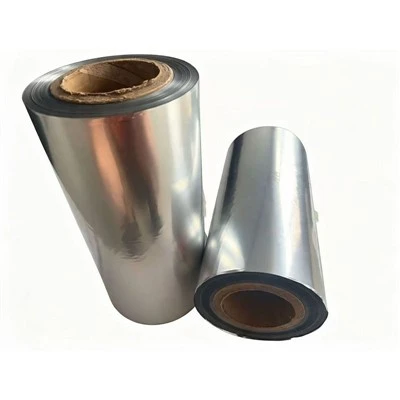


Introduction to Biaxially Oriented Polyester Film
Leave a message
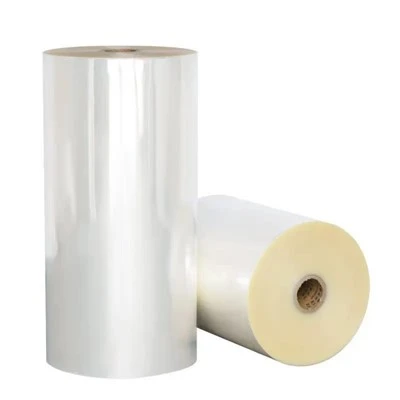
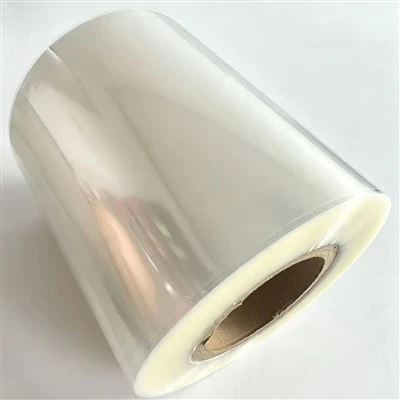
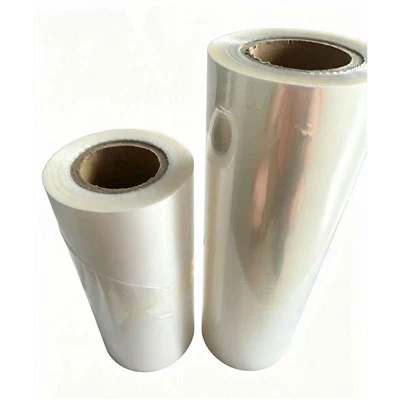
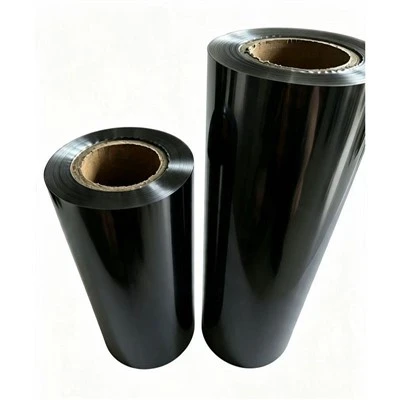
Biaxially oriented polyethylene terephthalate (BOPET) film is a high-performance plastic film produced through a biaxial stretching process using polyethylene terephthalate (PET) as the primary raw material. Imperial Chemical Industries (ICI) of the UK and DuPont of the US pioneered the application of polyester film in 1948, and industrial production of BOPET began in 1953.
BOPET film offers a comprehensive set of properties, including high strength, excellent rigidity, superior transparency, effective barrier performance, resistance to high and low temperatures, excellent electrical insulation, and non-toxic, odorless characteristics.
BOPET film possesses the following advantages:
① Good mechanical properties, characterized by high rigidity and strength.
② Excellent resistance to both cold and heat, with a usable temperature range of -70°C to 150°C.
③ Good barrier properties against water and gases, as well as excellent aroma retention.
④ Good antistatic properties; it is easily vacuum-metallized (aluminized) and can be coated with PVDC to enhance heat-sealing capabilities, barrier performance, and print adhesion.
⑤ Resistance to oils, greases, most solvents, and weak acids or alkalis. A disadvantage of BOPET film is its poor puncture resistance.
Based on thickness, these films are categorized into thin films (6–65 μm), medium-thickness films, thick films (>65 μm), and ultra-thin films; thin and medium-to-thick films are primarily used in packaging applications.