

The Industrial Value Of Biaxially Oriented Polyester Film
Leave a message
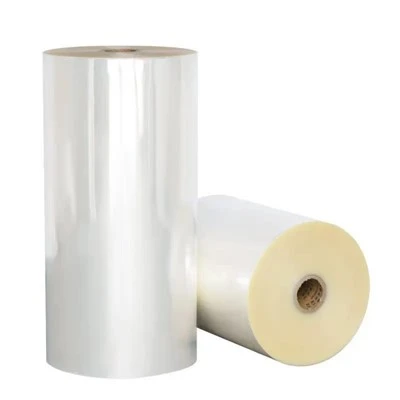
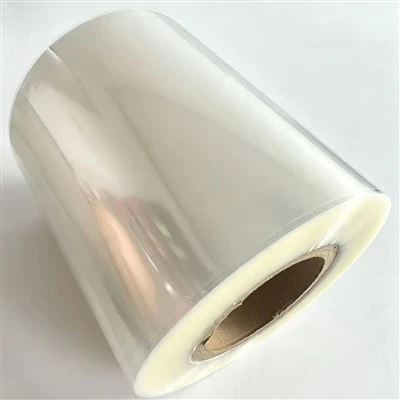
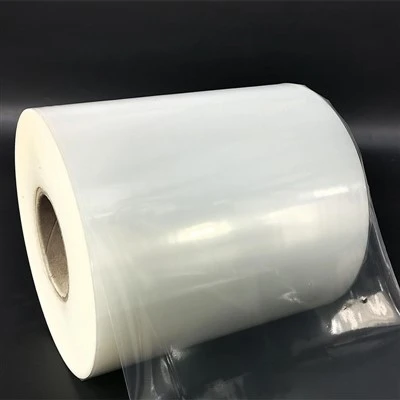
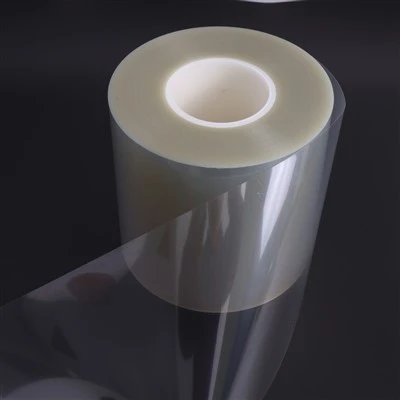
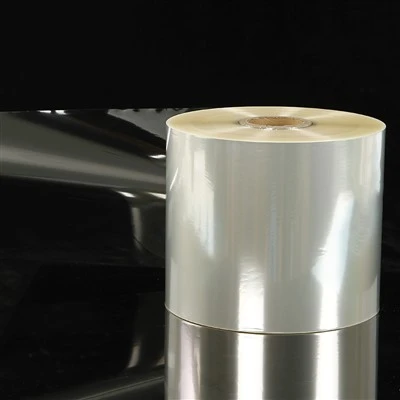
Polyester (PET) film-also referred to as PET film or BOPET (Biaxially Oriented Polyethylene Terephthalate)-is produced from polyethylene terephthalate (PET) resin through a process involving extrusion casting, longitudinal and transverse stretching, heat setting, and winding. It is a high-performance engineering film boasting exceptional properties-including high transparency, strength, and rigidity, as well as temperature and weather resistance and eco-friendliness-earning it the title "King of Industrial Films."
Performance is driven by the production process: Biaxial stretching aligns molecular chains, significantly enhancing tensile strength, impact strength, stiffness, and dimensional stability. It is 3–5 times stronger than standard plastic films and is resistant to tearing and deformation. Additionally, heat setting ensures the film remains flat even at high temperatures, making it ideal for downstream processes such as printing, lamination, metallization (aluminizing), and coating.
In terms of performance, PET film offers high transparency, high gloss, and low haze, making it suitable for high-end printing and optical applications. It features a wide operating temperature range (-20°C to 120°C) and is compatible with retort processing and heat-seal lamination. Its excellent barrier properties-blocking moisture and oxygen while retaining aromas-make it ideal for food and pharmaceutical packaging. It offers superior electrical insulation for motors, appliances, and transformers, and exhibits resistance to chemicals, oil, abrasion, and aging, ensuring it does not yellow easily during long-term outdoor use.
Applications span a wide range of industries: packaging (laminated films, metallized films, retort pouches, high-clarity window films); printing (labels, trademarks, hot-stamping base films, transparent sheets); electronics (insulation materials, release films, optical films, screen protectors); industrial (tape substrates, die-cutting, metal sheet protection films); and consumer goods (photo albums, book covers, stationery, decorative films).
PET films can be categorized by function into standard, printing, optical, electrical insulation, metallized, and heat-resistant grades. They are available in thicknesses ranging from 12 to 250 μm with customizable widths, making them suitable for high-speed automated production lines. As a mature, stable, and recyclable eco-friendly material, it will continue to play a key role in modern industry.